Building Energy Resilience

Ideas to fuel a sustainable built environment

7 min read

What Is RS-485? – Part 1

By Rick Stehmeyer on Sep 9, 2016 10:00:00 AM

Note: This is Part One in a series of posts on RS-485. | Part 2 | Part 3

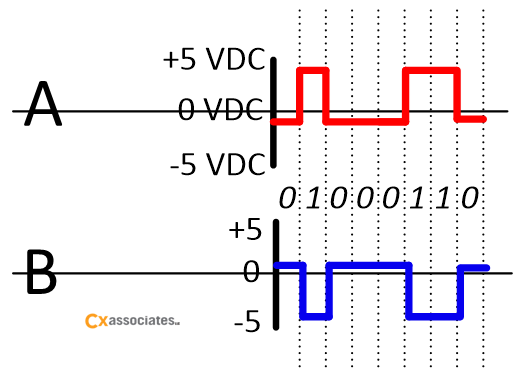
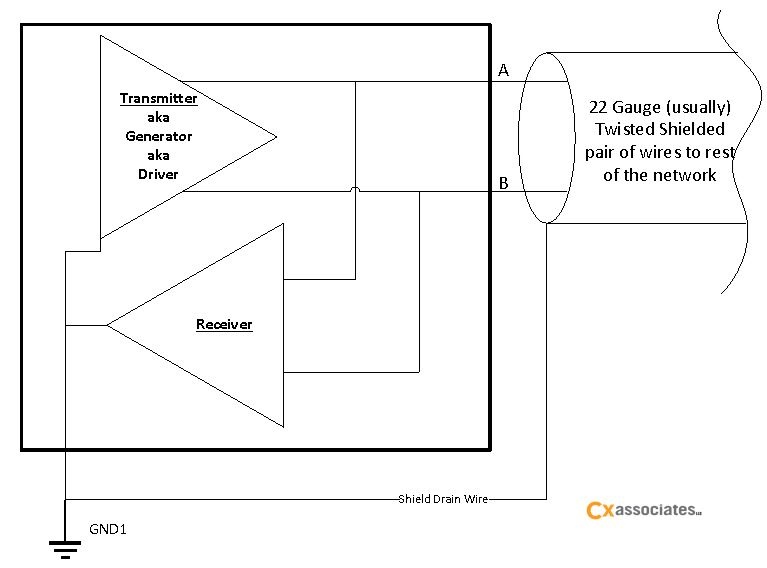
What is RS-485 and what does it have to do with buildings or building controls?  If you’re asking this question either you’re just curious, or maybe something isn’t working quite right and you’re Googling to find an answer.  Either way, I plan on giving you a high level understanding of RS-485 in this post, and how having a better grip on how it works can help building operators and controls contractors control their building more effectively. 

Topics: Standards and Metrics Building Performance & Technology
4 min read

Applying Commercial AC Features to Residential for Cleaner Energy During Peak

By Ben Fowler on Aug 31, 2016 10:00:00 AM

Recently, I was down in Philadelphia visiting family. Being late August, it was 95°F out with a dew point in the low 70’s. Overwhelmingly hot was an understatement, but I do know these things are relative. The residential window air conditioning unit (or as we like to call them in the office, “window shaker” for I think obvious reasons) was running full-tilt and not keeping up. The compressor hadn’t paused for the over an hour. Meanwhile, PJM, the Independent System Operator (ISO) serving the large mid-Atlantic/Central US region including Philly was projecting a 142 gigawatt afternoon peak electric load, with more than 1/3 of this load met with “dirt burners,” more commonly known as coal power plants. See the table below for the generation fuel mix and real time and projected load stats. This kind of info is provided on all the ISOs I’ve checked, which is interesting for us energy geeks. Looking at the data, it made me think I should have just shut the thing off.

Topics: Sustainability Energy Efficiency
2 min read

Three Things to Check Before Deploying Energy Meters

By Walker Calderwood on Aug 24, 2016 10:00:00 AM

Metering equipment, such as light loggers, temperature loggers, and AC current loggers can be very useful tools and sometimes necessary in the world of energy efficiency consulting.  They can provide useful data on how equipment is operating and performing.  I have written about metering in previous blog posts including one called “EM&V Metering: Right Place, Right Time, Right Duration” where I described the importance of identifying the correct way of deploying meters.  In this post I am going to discuss the importance of verifying that meters or loggers are working correctly even before a metering plan is developed or the devices are deployed, as well as the importance of ensuring that the correct sensors are chosen for the application.

Topics: Standards and Metrics Building Performance & Technology
3 min read

Energy Burden is Just One Indicator of Inequality

By Jennifer Chiodo on Aug 17, 2016 10:00:00 AM

Many of the readers of the Building Energy Resilience blog may not know that when I started working in the field of energy efficiency, my focus was on multi-family housing serving people with low incomes.  ACEEE recently published this study on the income burden for low-income households.  The energy burden is the percent of income paid for energy.  It turns out that low-income households have two times the energy burden of the median household – paying over 7% of annual income in energy costs.

Topics: Green Building Public Policy
3 min read

Construction of the 2016 Rio Olympics

By Katie Mason on Aug 10, 2016 1:00:00 PM

While watching coverage of the 2016 Olympic Games in Rio de Janeiro, I started looking into what it took to create the venue which accommodates many of the events. Similar to every Olympic game, Rio had a short period of time to build the extravagant stadiums and the other venues required. In this post, I will discuss what it took to construct this venue and some challenges with this particular location. 

Topics: Sustainability Public Policy
3 min read

Do Chilled Beams Save Energy Over VAV Systems?

By Eveline Killian on Aug 3, 2016 10:00:00 AM

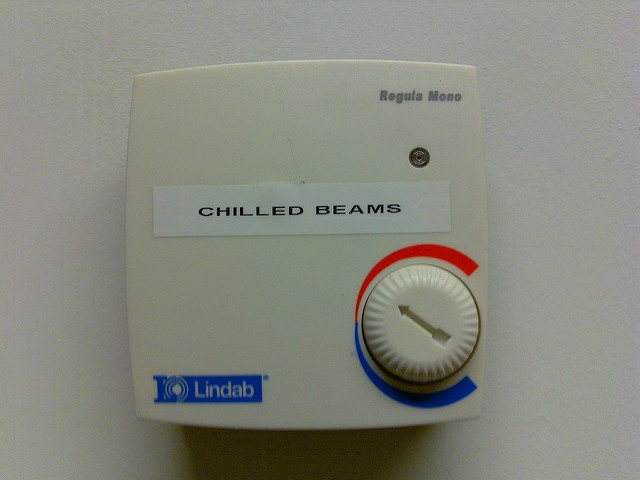
Chilled beams have been common in European building HVAC systems for decades, but they are just getting popular in the U.S.  These units fit in a drop ceiling or can be hung flush to the ceiling and contain a chilled/hot water coil and, in the case of active beams, a duct bringing in ventilation air.

Topics: Energy Efficiency Building Performance & Technology
5 min read

BACnet vs LON – A Network Data Comparison

By Rick Stehmeyer on Jul 27, 2016 10:00:00 AM

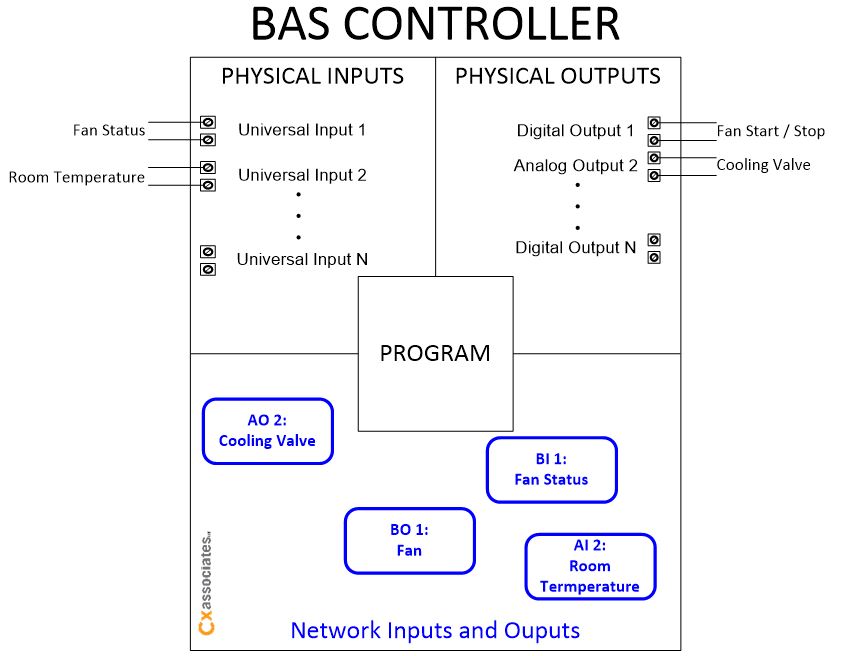
If you’ve worked in the Building Automation Systems (BAS) industry, you’ve probably heard of LonWorks, BACnet, and Modbus.  These three open system networking technologies have been the foundation of most building automation systems over the last decade.  They allow devices from different manufacturers to communicate data without issue (most of the time) so that a building’s chiller, boiler, and pumps may all work together as one system to give a building owner an integrated system that enables a high level of functionality. 

Topics: Standards and Metrics Building Performance & Technology
4 min read

Bill Gates’ Environmental Math and Getting to Zero CO2

By Rick Stehmeyer on Jul 20, 2016 10:00:00 AM

I love simple concepts formulated using basic math.  And even though I love all mathematics, I’ll be the first to admit that my math skills could always be stronger, so I am always trying to learn. I guess that’s why the basic formulas for really complicated concepts really resonate with my inner nerd.  The Drake equation as a model for explaining the Fermi paradox is a wonderful example of these.  Recently Bill Gates released a short speculation on YouTube regarding energy and CO2.  This too really resonated with me as it’s an area where I see our industry really affecting change.

Topics: Sustainability Energy Efficiency
4 min read

Leveraging Building Automation Systems During Construction

By Ben Fowler on Jul 13, 2016 10:00:00 AM

We are in the process of wrapping up an energy efficiency and building automation system upgrade project at an office building. The project involved converting an older boiler/tower heat pump loop system with constant speed pumping to variable flow, and the installation of a modern building automation system (BAS) with new energy efficient control sequences. The project has been a big success however, the project team experienced some challenges in really “dialing in” the controls. The main obstacle is that remote access to the BAS had not yet been established. Having remote access to building controls during the later stages of construction provides many benefits—including being able to monitor system performance remotely, review alarm logs and historical trends to identify problems, and even make adjustments on-the-fly to tune system parameters correctly. Without remote access we would have had to drive to the building, request access to a network closet from the property manager, plug into the server in a closet, and then spend time in a tight space trying to accomplish our goals before unplugging and heading back to the office. Needless to say it is not convenient to do frequently, and is expensive.

Topics: Building Cx & Design Review Building Performance & Technology
4 min read

Making Meetings Work For You

By Jennifer Chiodo on Jul 6, 2016 10:00:00 AM

Are meetings a waste of time? Deriding them as such is common.  But with some upfront effort, meetings can deliver outcomes that would otherwise take much longer to achieve. 

Topics: Workplace & People

Featured