

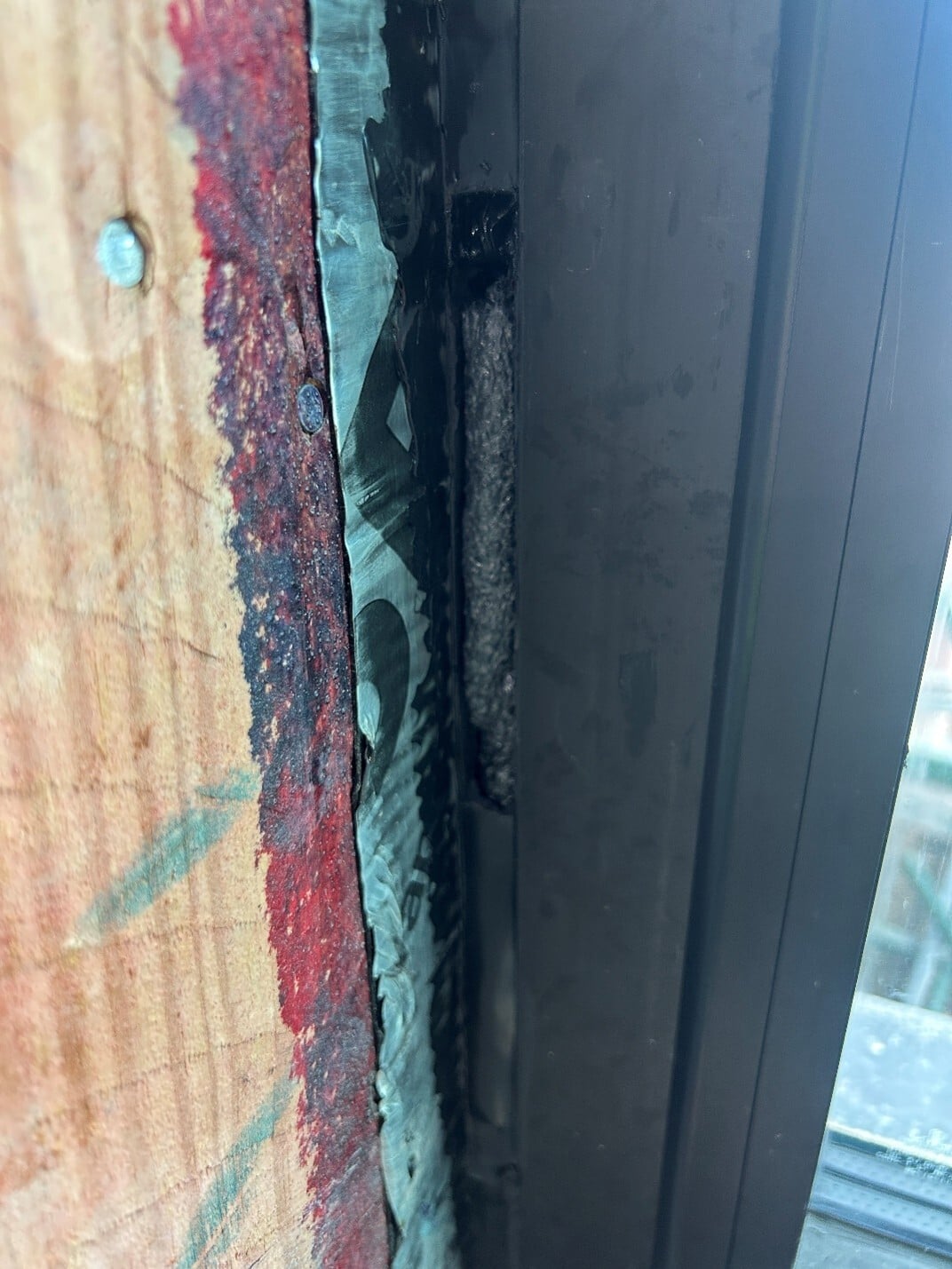
Exterior sealant joints are expected to remain intact for 15–20 years while withstanding
building movement, temperature extremes, UV radiation, bulk water exposure, and pressure differentials. One of the most underappreciated components in meeting that standard is the closed-cell foam backer rod. When backer rod is omitted or improperly installed, movement stressors — building settling, thermal cycling, and material temperature differential — become leading contributors to premature adhesive or cohesive sealant failures.
2 min read
Why Backer Rod Is Critical to Sealant Joint Performance
Topics: Energy Efficiency Building Envelope Building Enclosure Energy Savings sealant sealant joint backer rod
6 min read
A Case for EMIS: Why Granular Building Data is Worth the Effort

Energy Management Information Systems (EMIS) continuously monitor equipment/system performance, establish normalized baselines for how equipment should operate, track whether corrective actions persist over time, and detect when something begins to drift. Think of it as a fitness tracker for your building - one that learns what "normal" looks like and alerts operators when something changes.
Topics: Energy Efficiency Carbon Reduction EMIS Energy Savings Carbon Savings CO2
3 min read
Refrigerant Evolution: From Ice Blocks to Climate-Conscious Cooling

Picture New England in the 1800s: teams of workers carefully cutting massive 500-pound blocks of ice from frozen lakes, hauling them across difficult terrain using horse-drawn sleds and primitive tools. This was the reality of the ice trade that once thrived in Vermont and throughout New England. In those days, refrigeration was a luxury few could afford.
Topics: Energy Efficiency HVAC #decarbonization Carbon Neutral Net Zero refrigerants
2 min read
Historic Brick: Balancing Preservation and Climate Action

Insulating behind historic brick poses challenges for architects and preservationists alike. While it promises energy efficiency gains, there are concerns about its impact on the integrity of the brick and the building as a whole. However, with proper testing and expert guidance, it can be navigated successfully.
Topics: Sustainability Energy Efficiency Building Envelope Building Enclosure historic preservation climate action architecture
3 min read
Striving for Net Zero: Part II
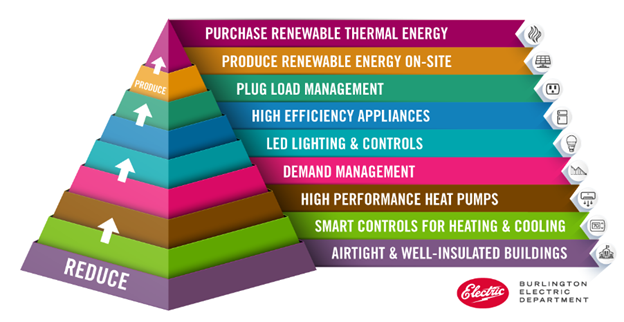
Over the last few years, climate action has become a central focus for governments, and the business case for doing something about climate change has become clearer than ever before. With this shift, “Net Zero by 2050” is a term that seems to get thrown around by organizations, businesses, and municipalities alike. But what does it mean, and how do we get there? We continue our endeavor to answer this question in the second part of this two-part blog.
Topics: Energy Efficiency Heat Pumps #decarbonization #renewables Building Envelope Building Enclosure Carbon Reduction NZE Net Zero
7 min read
Striving for Net Zero: Part I
Over the last few years, climate action has become a central focus for governments, and the business case for doing something about climate change has become clearer than ever before. With this shift, “Net Zero by 2050” is a term that seems to get thrown around by organizations, businesses, and municipalities alike. But what does it mean, and how do we get there?
Topics: Energy Efficiency Heat Pumps #decarbonization #renewables Building Envelope Building Enclosure Carbon Reduction NZE Net Zero
4 min read
Forgoing Band-Aids: Approaching and Fixing Building Issues Holistically

June 2022 update: Given the current supply chain and labor shortages the construction industry is facing in 2022, looking after your building's existing systems becomes even more important. With equipment delivery for major systems sometimes many months away, retrocommissioning your existing systems can help tune them up to keep them in tip-top shape to get more usable -- and efficient -- life out of them.
When people ask me what I do for work, I generally tell them I’m a building systems engineer, with a big focus on making facilities more energy efficient and comfortable for occupants. One common part of my job entails going to a building to perform an energy audit or assessment. During these visits, we follow the same straightforward outline:
- Walk through the site
- Inventory all energy-related equipment including lighting, mechanical systems, building envelope, etc.
- Speak with the building operator about how they run the building
- Ask the building owner, occupants, and operator about and any issues or concerns they have regarding maintenance, equipment that is not working properly, or comfort problems.
Topics: Energy Efficiency Building Performance & Technology retrocommissioning Energy Management Existing Building problem solving Energy Planning energy monitoring & solutions Energy Audit
5 min read
Improved Lighting Metrics for Changing Technology
Photo by Adam Rouse
Topics: Energy Efficiency Building Performance & Technology Lighting commissioning New Construction Existing Building design review
7 min read
Energy and Beer – The Path to Sustainability

Vermont is home to a lot of my favorite things. There’s skiing, swimming, music, cheese, apple picking, and more, but perhaps my favorite is Vermont beer. The Burlington area alone has enough breweries to keep one busy for a long weekend – from the classics like Switchback Ale and Fiddlehead IPA, to the ever rotating sours at Foam to the delicious (and highly creative) concoctions coming out of Burlington Beer Co., the 10 mile radius around this small city I call home has something for everyone. Though my love of beer continues to grow, so too has my concern about the sustainability of the beer brewing process.
Topics: Sustainability Energy Efficiency Commercial
3 min read
It’s All in the Lighting: A Closer Look at the CRI Method
.jpg)
A few years ago, while living in a small apartment in Montreal’s Plateau neighborhood, I noticed that the lightbulb in my kitchen had burned out. Naturally, I went to the hardware store to find a replacement. After struggling to read the French labeling on several different packages, I ultimately decided to go for the least expensive box of LED bulbs that the store had available. Once I installed the newly purchased lightbulb, I noticed a difference in the way our kitchen looked. Specifically, I noticed a difference in the appearance of the bowl of fruit that always sat on the counter. While the lightbulb illuminated the space, I remember thinking to myself how unappetizing and dull my fruit now looked. This exercise, though unintentional, clarified the importance of a light source’s color rendering capability.
